
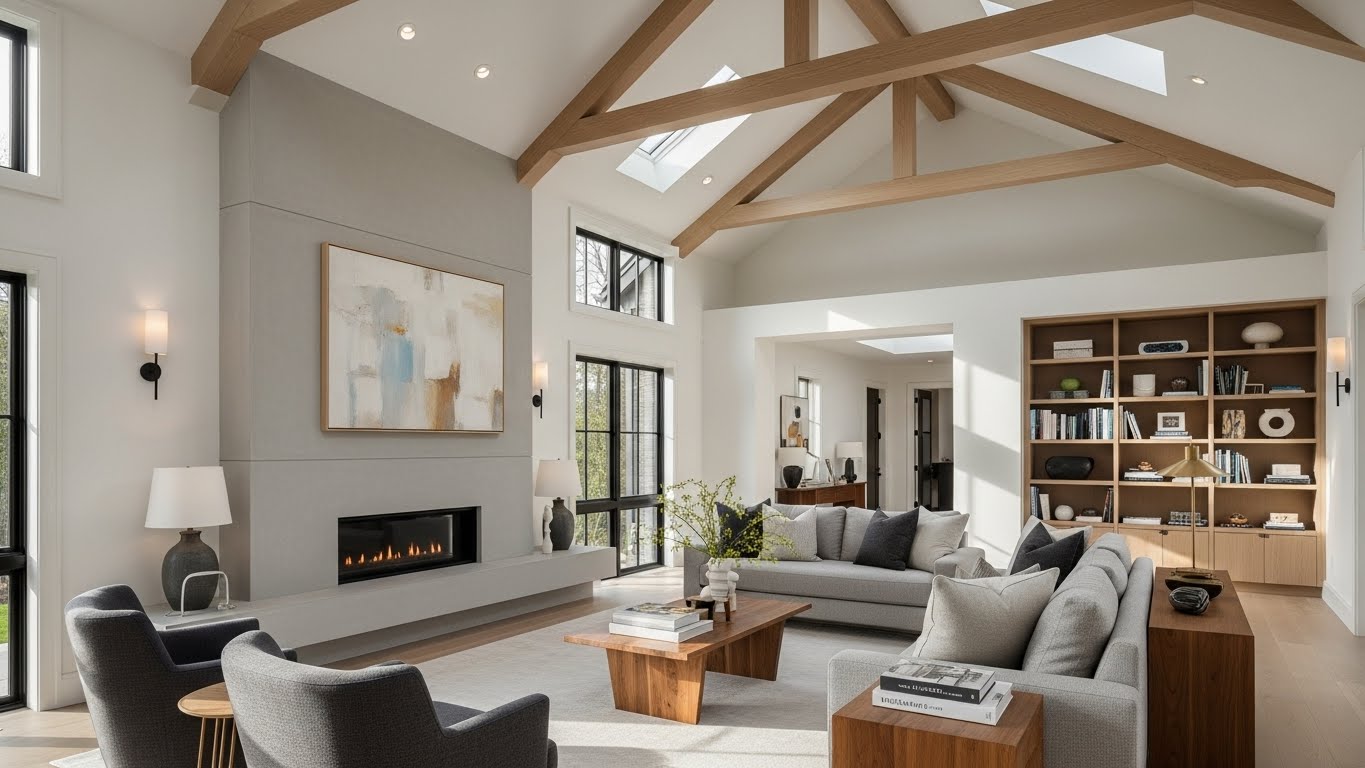
Vaulted ceilings have become one of the most sought-after architectural features in modern homes. It instantly changes the look of a room by adding height, openness and beauty. In today’s home, where design meets functionality, vaulted ceilings play an important role in shaping visual appeal and comfort.
Homeowners and designers are increasingly loving vaulted ceiling for their ability to transform ordinary rooms into impressive living spaces. This roof style offers both aesthetic and practical benefits, from enhancing contemporary home design to improving airflow and lighting.
The Vaulted Ceilings Concept
A vaulted roof is defined by its upper slope that follows the roofline rather than remaining flat. This design has its origins in historic architecture, but has evolved into a key element in modern interior architecture.
Contemporary adaptations allow vaulted ceilings to flow seamlessly with minimalist and luxurious interiors. Their versatility makes them suitable for living rooms, kitchens, bedrooms and even bathrooms in exclusive homes
Why Vaulted Ceilings Feel So Spacious
The main advantage of a vaulted ceiling is the perception of space it creates. The increased vertical height makes even small rooms appear larger and more open.
This openness supports modern home design, which emphasizes streamlined layouts and breathable interiors. Visual expansion also improves comfort by reducing the feeling of confinement.
Vaulted Ceilings and Natural Lighting
A vaulted roof allows for large windows, skylights and openings in the building. These features dramatically improve natural lighting, reducing reliance on artificial light during the day.
Sunlight coming in from above creates a warm, welcoming atmosphere and highlights textures, colors and architectural details. Improved natural lighting also contributes to energy efficiency and well-being.
Popular Vaulted Ceiling Styles in Modern Homes
Modern homes include many vaulted ceiling styles, each adding a unique character. Cathedral ceilings with symmetrical slopes remain timeless, while asymmetrical designs appeal to bold interior architectural preferences.
Vaulted ceilings with exposed beams add warmth and texture, balancing the smooth finishes common in modern home design. Smooth, beam-free vaults are perfect for minimalist interiors that love clean lines.
Vaulted Ceiling in Living Room
A living room with vaulted ceilings instantly becomes the focal point of the home. The extra height allows for dramatic light fixtures and elaborate wall art that adds visual interest.
The design supports the open concept often seen in modern home design, creating a seamless flow between the living room, dining room and kitchen, while maintaining the aesthetics.
Bedroom Transformation with Vaulted Ceiling
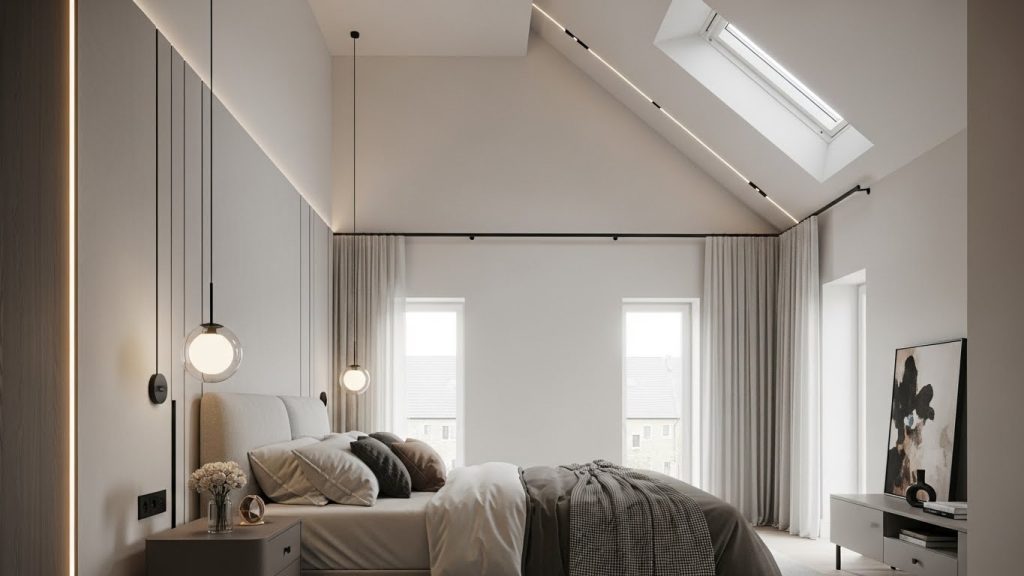
In the bedrooms, vaulted ceilings create a sense of peace and luxury. The extra height provides softness and openness, so that the space feels more comfortable.
Designers often use subtle lighting and neutral colors to complement the structure, ensuring that the ceiling enhances the interior architecture of the room rather than overwhelming it.
Kitchens with Vaulted Ceilings
Vaulted ceilings offer great advantages in modern kitchens, especially when combined with skylights. Increased natural light makes cooking areas brighter and more inviting.
The extra height also improves ventilation, helping to manage heat and odors. This practical benefit aligns well with the functional goals of modern home design.
Bathroom with Vaulted Ceiling
Although less common, vaulted ceilings add spa-like luxury to bathrooms. Natural light from the upper windows creates a calm atmosphere that elevates everyday life.
This design approach highlights how interior architecture can enhance even the most functional spaces through thoughtful structural choices.
Material Choices That Enhance Vaulted Ceilings
The choice of materials plays an important role in maximizing the beauty of a vaulted ceiling. Wood adds warmth and texture, while smooth plaster or plaster supports minimalist modern home design.
Metal accents and glass features can also be incorporated to reflect light and enhance natural light, further enhancing the effect of the ceiling.
Color and Finish Considerations
Light colors are often preferred for vaulted ceilings as they improve lightness and openness. White, beige and soft gray tones complement modern home design principles.
However, darker colors can also work when balanced with bright lights. This contrast highlights the structure of the ceiling and adds depth to the overall interior architecture.
Acoustic and Comfort Benefits
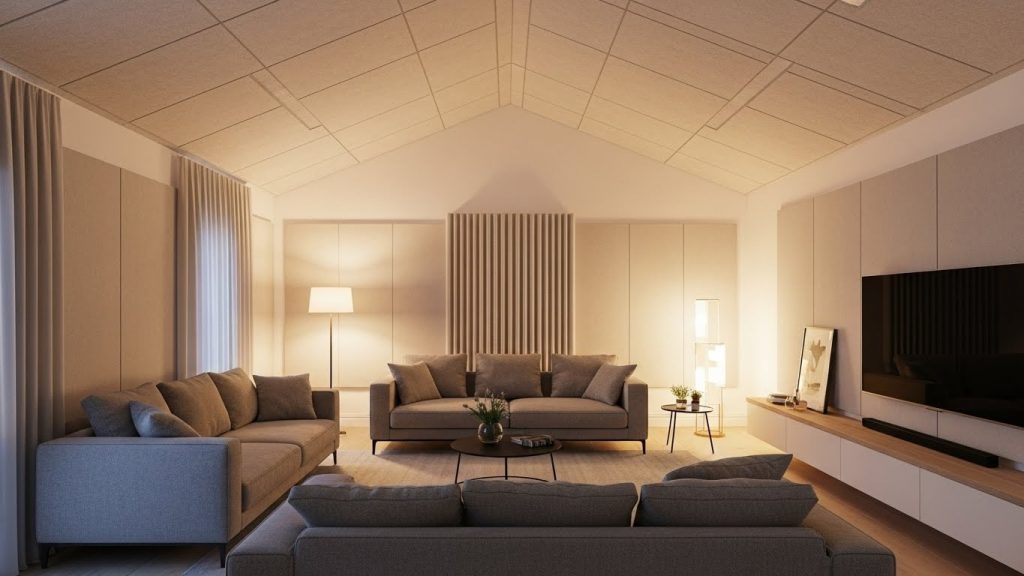
Beyond aesthetics, a vaulted ceiling can improve airflow and temperature regulation. Warm air rises and provides better circulation when combined with a ceiling fan or ventilation system.
Acoustic considerations are important, as high ceilings can affect the sound. Thoughtful design in the interior architecture ensures comfort without echo or noise problems.
Vaulted Ceilings and Home Value
Homes with vaulted ceilings often attract more buyer interest. The visual impact and perceived luxury can increase the value and market appeal of a property.
In competitive markets, the architectural features associated with modern home design give the homes a clear advantage over standard flat roof layouts.
Balancing Scale and Proportion
While the vaulted ceiling adds grandeur, balance is essential. Large ceilings can seem overwhelming in small rooms if they are not carefully designed.
Appropriate proportions, lighting and choice of materials ensure harmony in the interior architecture, and preserve both beauty and comfort.
Energy Efficiency Considerations
Energy planning is important when installing a vaulted ceiling. Insulation and window placement directly affect heating and cooling efficiency.
When thoughtfully designed, vaulted ceilings can work with natural light and airflow to reduce energy use while maintaining indoor comfort.
Vaulted Ceilings in Contemporary Architecture
Modern architects use vaulted ceilings as a signature element to define open, airy homes. It supports fluid layout and emphasizes structural creativity.
This trend reflects a wider shift in modern home design towards spaces that feel spacious, bright and emotionally uplifting.
Customization and Personal Style
The biggest advantage of vaulted ceilings is customization. Homeowners can tailor lighting, finishes and structural details to reflect personal taste.
Whether minimal or bold, the ceiling becomes a canvas within the wider interior architecture, allowing creativity without clutter.
Conclusion
A vaulted ceiling is more than a design trend; It is a transformative architectural feature that elevates modern homes. From enhancing natural light to redefining space and comfort, it offers both beauty and function.
By integrating thoughtful design, materials and proportions, homeowners can use a vaulted ceiling to create interiors that feel timeless, spacious and sophisticated. In the world of modern home design, vaulted ceilings stand as a powerful symbol of beauty and innovation.