

Travel opens doors to new cultures, unforgettable memories and personal growth. But in today’s world, being informed is just as important as being brave. An important concept that every traveler should understand is travel warnings. Knowing what it means, why it’s issued and how it should affect your decisions can help you travel smarter, safer and with more confidence.
In this detailed guide, we explain everything you need to know before packing. From understanding official warnings to managing risks wisely, this article will help you make informed travel decisions without unnecessary fear.
What Is a Travel Warning?
A travel warning is an official notice issued by government or international authorities to inform citizens of the potential dangers of a particular travel destination. These threats may include political instability, armed conflict, health crisis, terrorism or natural disasters.
The purpose of the travel warning is not to scare people, but to provide transparent information. Officials want travelers to understand the risks involved so they can decide whether to delay, cancel or prepare more carefully for their trip.
Travel Warning vs Other Travel Alerts
Many travelers get confused by the different types of travel information. A travel warning is usually more serious than a simple warning or warning. It often advises people to avoid all or non-essential travel to a destination.
Travel safety advisories, on the other hand, are often broader and may include general safety tips, regional concerns, or advice for specific groups of travelers. Understanding this difference helps you respond appropriately rather than overreacting or ignoring important guidance.
Why Governments Issue Travel Warnings
Authorities issue warnings when they believe travelers may be in serious danger. These decisions are based on intelligence reports, local conditions and global developments. Rising crime, disease outbreaks or sudden political unrest are common triggers.
In many cases, the risk of international travel can increase quickly. What was a safe destination last month can become unstable due to elections, protests or environmental disasters. Alerts help travelers stay up-to-date in a rapidly changing world.
Common Risks Behind Travel Warnings
Most international travel risks fall into a few main categories. Security threats such as terrorism or civil unrest are the most serious. Health problems, such as pandemics or weak health systems, are also important factors.
Environmental risks, including earthquakes, hurricanes or floods, can also cause warnings. By understanding these international travel risks, travelers can better assess whether a situation fits their personal risk tolerance.
Level and Severity of Travel Warnings
Not all warnings are the same. Some recommend taking more precautions, while others advise against traveling altogether. The highest travel warnings usually recommend avoiding the destination altogether.
Lower-level warnings may still allow travel, but urge extra vigilance. Reading the full description rather than just the title helps you understand the real level of risk.
How to Read and Interpret a Travel Warnings
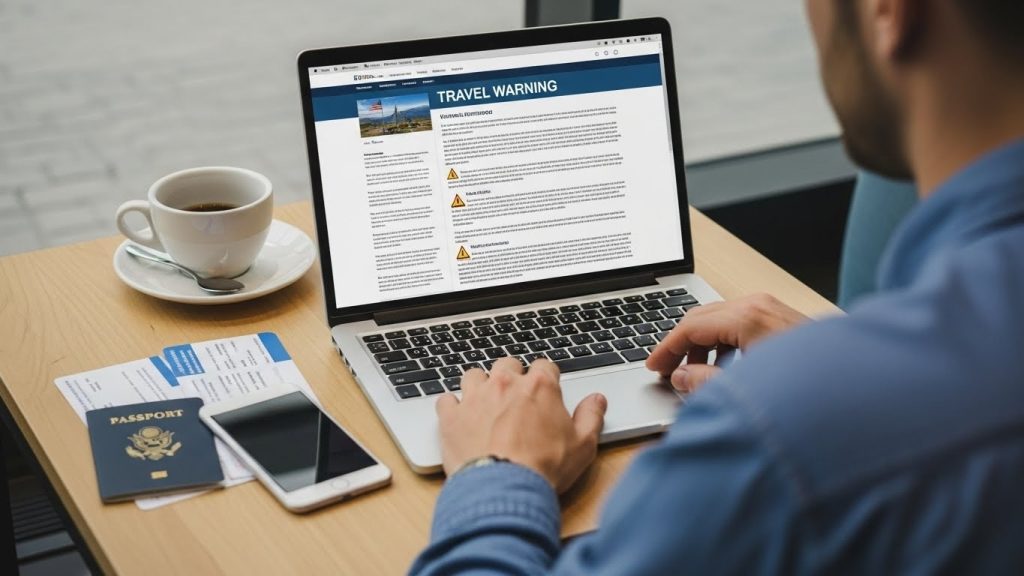
Many travelers make the mistake of ignoring warnings. Instead, read them carefully and compare the information with the travel planning checklist. See which areas are affected and whether the warning applies to the whole country or just specific areas.
A well-structured travel planning checklist should include safety updates, local laws, emergency contacts and health requirements. When you combine official warnings with your checklist, decision-making becomes clearer and more practical.
How Travel Warnings Affect Travelers
Travel warnings can affect your plans in many ways. Airlines can cancel routes, and travel insurance companies can change the terms of cover. Some tour operators may suspend services completely.
Aside from logistics, warnings also affect peace of mind. Even seasoned travelers can feel anxious. This is where a balanced approach and the guidance of a travel safety advisor can help you decide if preparation can minimize the risk or if delay is wise.
Travel Warnings and Booking Decisions
Before booking a flight or hotel, always check the international travel risks associated with your destination. Booking during an unstable period can lead to financial losses if plans change suddenly.
Flexible booking options and refundable tickets are especially important when risk is present. Awareness of international travel risks allows you to plan carefully rather than reacting to last-minute surprises.
Travel Insurance and Travel Warnings
Travel warnings can directly affect travel insurance. Many insurance companies limit or deny coverage for destinations under severe warnings. This means that medical expenses or trip cancellations may not be covered.
Always read policy details carefully and confirm coverage before departure. Insurance should be part of your risk management strategy, not an afterthought.
Preparing to Travel Despite Warnings
Some passengers must travel for work or family reasons. In such cases, preparation is important. Update the travel planning checklist to include emergency evacuation plans and local embassy contacts.
The risk of danger can be reduced by following the guidance of a travel safety advisor. Simple steps like avoiding high-risk areas and staying informed can make a significant difference.
Travel Warnings for Digital Nomads and Long-Term Travelers

Long-term travelers face unique challenges. International travel risks can change during extended stays, making regular updates necessary. What was safe at the time of admission may change months later.
Digital nomads should monitor official sources weekly and adjust accommodation or travel routes as needed. Flexibility is important when navigating uncertain environments.
Common Myths About Travel Warnings
A common myth is that a travel warning means some danger. In fact, many warnings are precautionary and region specific. Another myth is that warnings are politically motivated rather than security-focused.
Understanding the context behind warnings helps you avoid unnecessary fear while respecting the real risks.
How Often Travel Warnings Are Updated
Alerts are reviewed frequently and updated as the situation changes. A travel safety advisory can be changed to a severe warning or can be lifted altogether.
Regularly checking for updates ensures that you don’t rely on outdated information. Situations can improve as quickly as they worsen.
The Role of Governments and Embassies
Governments issue travel warnings to protect citizens abroad. Embassies play an important role in providing assistance during emergencies, evacuations or legal issues.
Registering with your embassy before you travel ensures that you can be contacted if the situation suddenly worsens.
Practical Safety Tips for Travelers
Every traveler should maintain a personal travel planning checklist that includes digital backups of documents, emergency supplies and local emergency numbers. Preparation reduces panic during unexpected situations.
Being aware of international travel risks also means respecting local laws and avoiding unnecessary exposure to danger areas.
When to Postpone or Cancel a Trip
Sometimes the safest decision is to postpone the trip. A severe travel warning should be taken as a strong signal to reconsider priorities. No trip is worth risking life or health.
Procrastinating doesn’t mean giving up; This means choosing a better time when conditions are safer and more stable.
Conclusion
Travel alerts are a tool designed not to restrict travelers, but to protect them. By understanding the purpose and learning to react intelligently, you can make safe decisions without panic.
Combining official information with travel safety advice and well-crafted travel planning checklists can help you balance adventure with responsibility. Smart travelers are informed travelers – and informed travelers enjoy the world safer and more responsibly.