
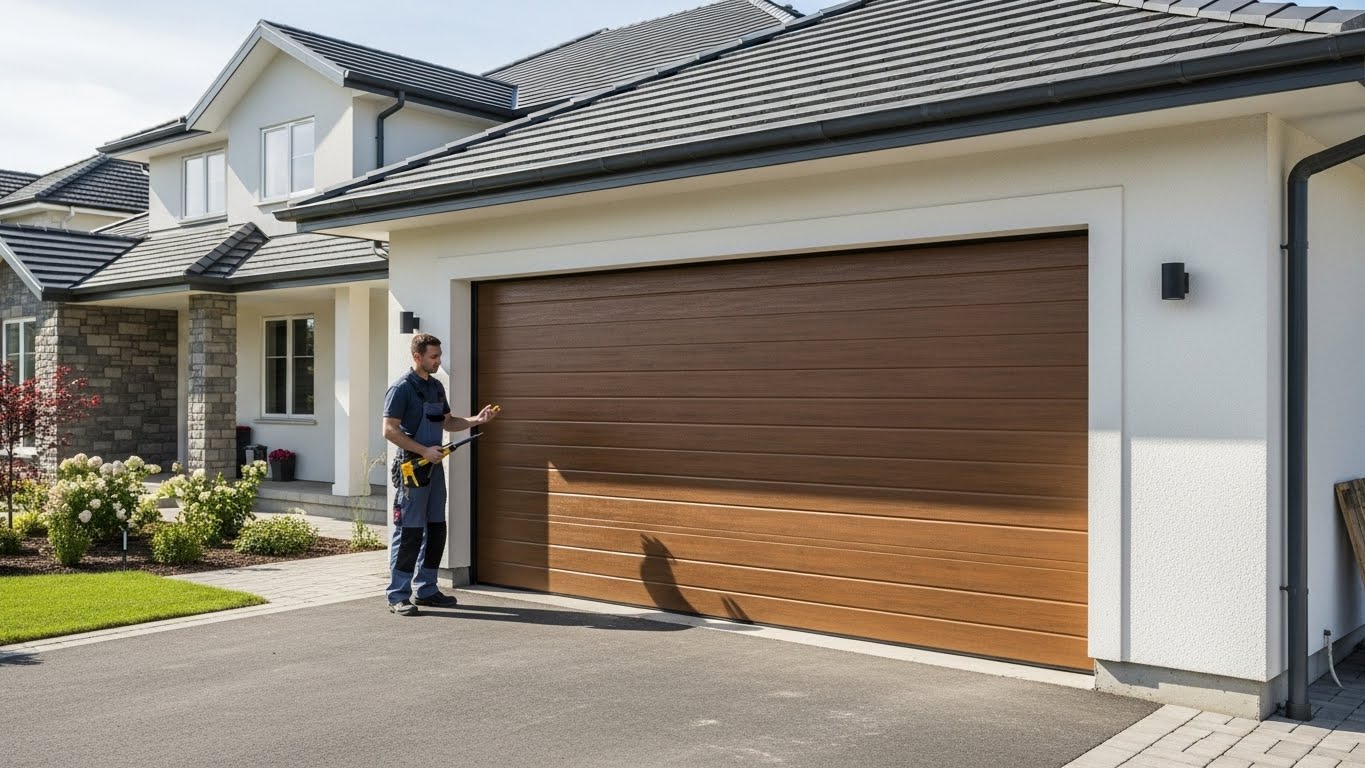
Choosing a garage door for your home is not just a matter of appearance. The door you choose affects durability, energy efficiency and even home security. Understanding the differences between the options available can save you money and ensure long-term satisfaction. This article examines garage door installation in detail, focusing on how material selection affects both performance and cost.
When planning a garage door installation, homeowners often consider price first, but long-term benefits such as insulation, maintenance and security are just as important. A properly chosen door can enhance the curb appeal of your property while providing practical benefits for everyday life.
The Garage Door Installation Costs
Garage door installation costs vary widely depending on size, materials and labor requirements. While some homeowners attempt DIY projects, professional installation ensures proper alignment, safety compliance, and low risk of damage.
Materials significantly affect the total garage door installation cost. Heavier wooden doors require more labour, while steel and aluminum are lighter and often easier to install. By considering all options, homeowners can make an informed decision that balances budget and long-term value.
Steel Garage Doors: Affordable and Durable
Steel doors are among the most popular choices due to their strength, affordability and low maintenance requirements. They are available in different thicknesses and can be insulated to improve energy efficiency.
For a standard garage door installation, steel doors are cost-effective without compromising durability. Homeowners who want a strong, long-lasting door often choose steel, appreciating its ability to withstand impact and resist twisting. Together with insulation, steel doors also contribute to better indoor temperature control and lower energy costs.
Aluminum Garage Doors: Modern and Lightweight
Aluminum doors give a modern look and are much lighter than steel, making installation easier. Many aluminum doors include glass panels or contemporary designs that fit well with urban homes or contemporary architecture.
Although aluminum doors are light, they can still dent easily. This compromise is reflected in both installation costs and long-term maintenance. For homeowners looking for a stylish but functional solution, aluminum is an attractive alternative.
Wooden Garage Doors: Classic Elegance
Nothing beats the natural beauty of a wooden garage door. Available in varieties such as cedar, mahogany or redwood, these doors add warmth and charm to the home. Custom finishes and carvings add unique character, making wooden doors a statement piece for any property.
Wooden doors generally increase the cost of garage door installation because they are heavier and more labor intensive to install. Maintenance is also high, as the wood requires regular staining or painting. However, the aesthetic appeal often outweighs these costs, especially for homes with traditional architecture.
Fiberglass Garage Doors: Low Maintenance and Weather Resistant
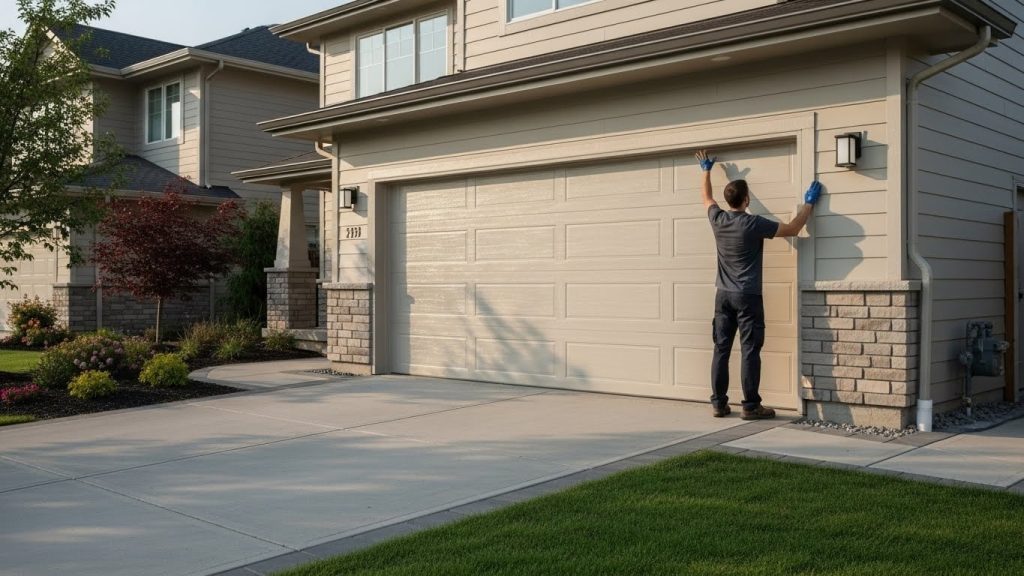
Fiberglass doors look like wood, but are lighter and resistant to moisture and rust. They are ideal for coastal areas or humid climates where wood can warp or rot.
The cost of installing a fiberglass garage door is often comparable to wood, but the low maintenance requirements make it a practical investment. Fiberglass also resists dents and fading, making it a durable and visually appealing option for homeowners who want longevity.
Composite Garage Doors: Hybrid Strength
Composite doors combine wood fibers and resin to give the appearance of wood with superior durability. They resist cracking, twisting and rotting, providing a long-lasting solution with minimal maintenance.
Due to their hybrid nature, composite doors have moderate to high installation costs. However, many homeowners believe that the balance between aesthetic appeal and structural strength makes composite doors a smart investment. In addition, these doors can contribute to improved home security benefits , as they are more difficult to break or damage than traditional wooden doors.
Insulation and Energy Efficiency
Insulated garage doors are becoming increasingly popular because they improve energy efficiency and comfort. Higher R-value means better resistance to heat or cold transfer, which can reduce electricity bills for attached garages.
Adding insulation slightly increases installation costs, but it increases overall performance. Insulated doors also contribute to noise reduction, which makes them ideal for homes with living spaces adjacent to a workshop, gym or garage. Choosing the right insulation improves both comfort and long-term value.
Safety Considerations for Garage Doors
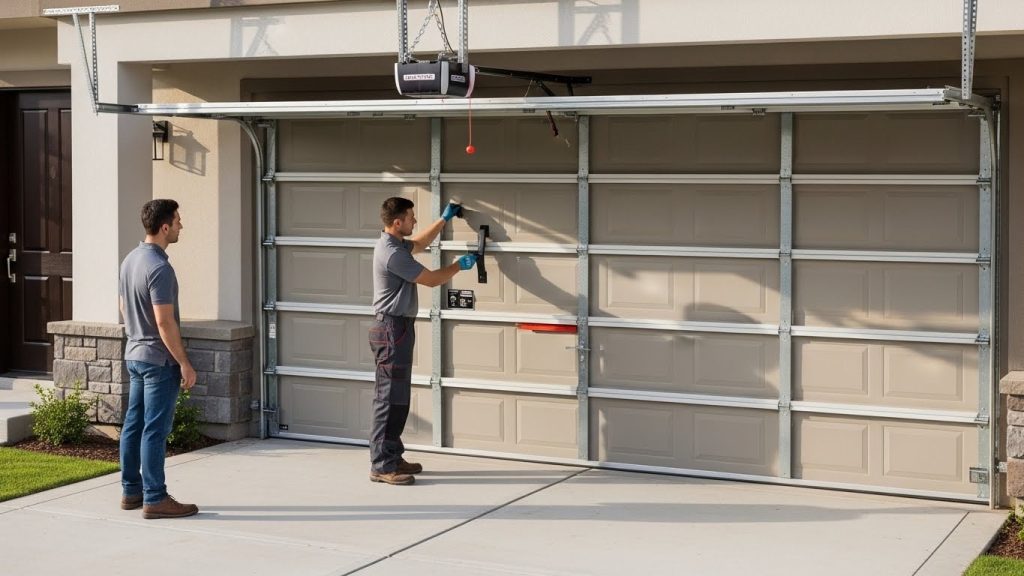
Garage doors are often the largest entry point to a home, making security an important factor. Materials such as steel, fiberglass and composites provide strong protection, while modern locking mechanisms further increase security.
A well-installed door can have a significant impact on the home security benefits. Ensuring the door is properly aligned, properly balanced and fitted with quality hardware reduces the risk of burglary. Safety features should always be considered together with the choice of material and installation cost.
Professional vs DIY Installation
While some homeowners attempt DIY garage door installation, professional installation is generally recommended. Garage doors are heavy and involve complex spring systems, which can be dangerous if handled incorrectly.
Professional installers ensure proper alignment, safe handling of springs and correct hardware placement. While this increases upfront installation costs, it reduces long-term maintenance and improves the garage door’s overall lifespan and safety.
Compare the cost of all materials
Here is a general comparison of garage door materials and installation costs:
• Steel: Inexpensive, strong, low maintenance
• Aluminium: light, modern, moderately priced
• Fiberglass: durable, moisture-resistant, mid-range
• Composite: Hybrid strength, medium to high price
• Wood: Classic appearance, high cost, high maintenance
Actual costs depend on fitment, size, insulation and regional labor rates. Homeowners should ask for multiple quotes and evaluate value over time rather than focusing solely on upfront costs.
Long-Term Considerations
When considering garage doors, it’s important to consider not only installation costs, but also long-term maintenance, durability, energy efficiency and safety. Investing in high-quality materials may cost more initially, but can save money and stress over the life of the door.
Materials such as composite or steel combined with insulation provide a balance between performance, cost and safety. Wooden doors can be beautiful, but they require more attention to maintain their beauty and functional appeal. Understanding these trade-offs ensures that homeowners choose an option that fits their lifestyle and real estate needs.
Conclusion
Choosing the right garage door is a decision that mixes aesthetics, functionality and budget. A comparison of the top garage door materials and installation costs shows that each option offers unique benefits.
Steel and aluminum provide strong solutions with little maintenance; Wood brings eternal beauty; Fiberglass ensures durability in harsh climates; And composite combines the best properties of wood and resin. With professional garage door installation, homeowners can enjoy enhanced home security benefits, increased curb appeal, and long-lasting performance.
By carefully considering your needs, consulting with professionals, and considering both garage door materials and installation costs, you can choose a door that will add value and security to your home for years to come.