
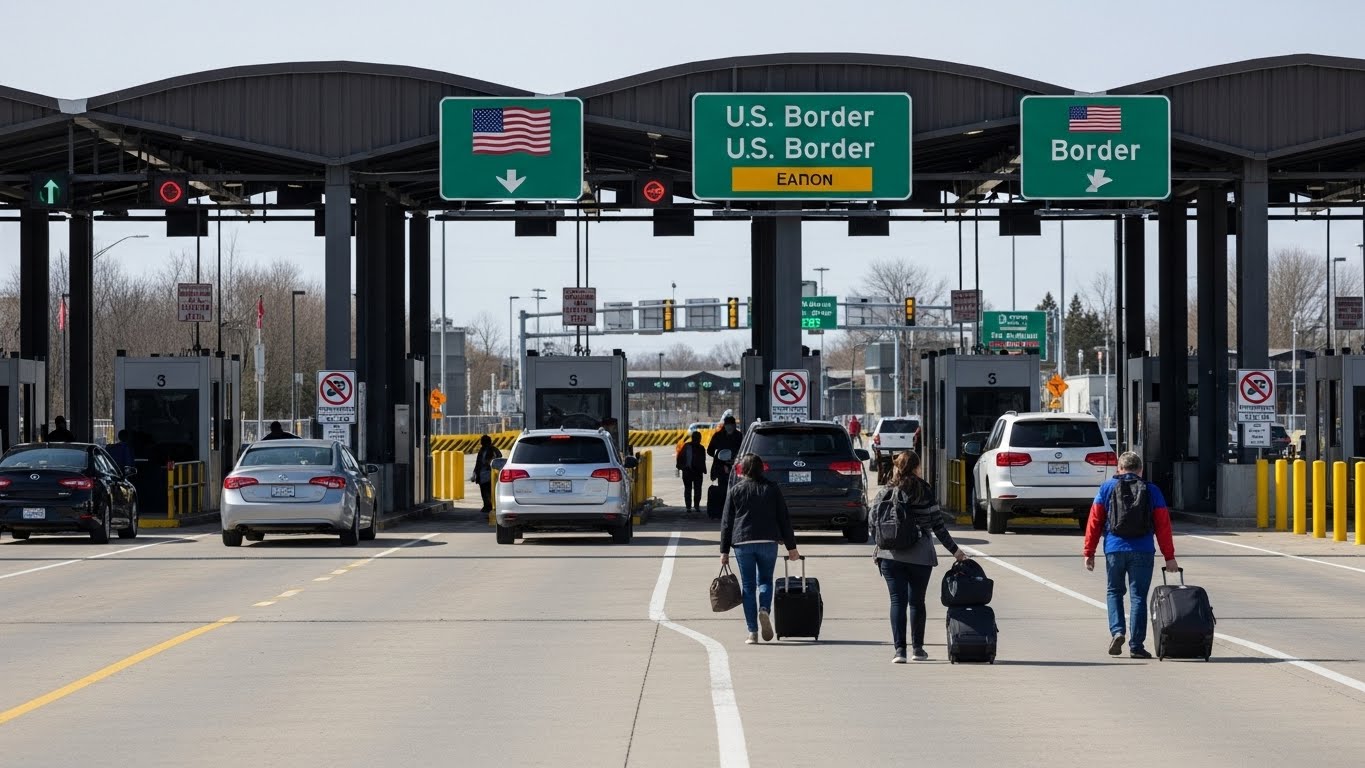
In recent months, global travel patterns have changed dramatically, and one of the most noticeable changes is the trend of canada tourism freeze us destinations. Canadian travelers, who traditionally make up a significant portion of visitors to the United States, are now reducing or postponing their travel plans. This change creates consequences for American cities, border towns, airlines, hotels and businesses that depend on tourism.
Understanding why this hiatus occurs and how it affects US destinations is critical for travelers, industry professionals and policymakers alike.
The Canada Tourism Freeze
canada tourism freeze us destinations The term refers to a significant decline in the number of Canadian tourists visiting the United States. For decades, Canada has been one of the largest sources of international tourists to the United States, contributing billions of dollars annually to the tourism economy.
However, changing economic conditions, rising travel costs, currency fluctuations and changing travel preferences have caused many Canadians to put their US travel plans on hold or reconsider. This stagnation is not a complete stop, but a sharp decline compared to previous years.
Experts say that while some Canadians may resume U.S. travel in the near future, the current trend is significant enough to affect local economies and travel-dependent businesses in many states.
Why Canadian Traveling to the US Is Slowing Down
Several factors are contribution to the Canada tourism freeze us destinations Situation. Economic uncertainty has made travelers more cautious about discretionary spending. Rising house prices, transport costs and general inflation affect travel decisions.
In addition, many Canadian travelers are exploring alternative destinations closer to home or choosing international destinations that offer better value. For example, some people prefer Caribbean holidays or European destinations that offer package deals including flights, accommodation and activities. Development of travel policy as well as health and safety considerations also influence decision-making.
This complex combination of economic, social and political factors explains why Canadian travelers are temporarily reducing travel to the United States, affecting many tourism sectors.
Impact on Border Cities and Nearby Destinations
Border towns are among the first to feel the impact of Canada tourism freeze us destinations trend in the United States. Cities that rely heavily on short trips from Canada, shopping trips and weekend trips experience a decline in foot traffic.
Hotels report lower occupancy, while shops and restaurants see fewer cross-border shoppers. Gas stations, convenience stores and local attractions that once benefited from quick trips are also experiencing declines.
Some cities are offering promotions aimed at domestic travelers, creating events to attract new audiences and adjusting marketing campaigns to mitigate the loss from fewer Canadian visitors.
Decline in Canadian visits to Major US Cities
Big cities such as New York, Chicago, Las Vegas and Orlando have long been favorites among Canadian tourists. Canada tourism freeze us destinations patterns now affect these urban centers as well.
Lower international arrivals affect not only hotels, but also attractions, theatres, theme parks and tour operators. Fewer Canadian visitors means fewer bookings, less revenue and increased competition for domestic travelers.
The tourist boards in these cities are analyzing the situation carefully. Some emphasize off-peak travel incentives and highlight attractions that attract both domestic and international visitors to compensate for the decline.
Airlines and Transportation Feeling the Pressure
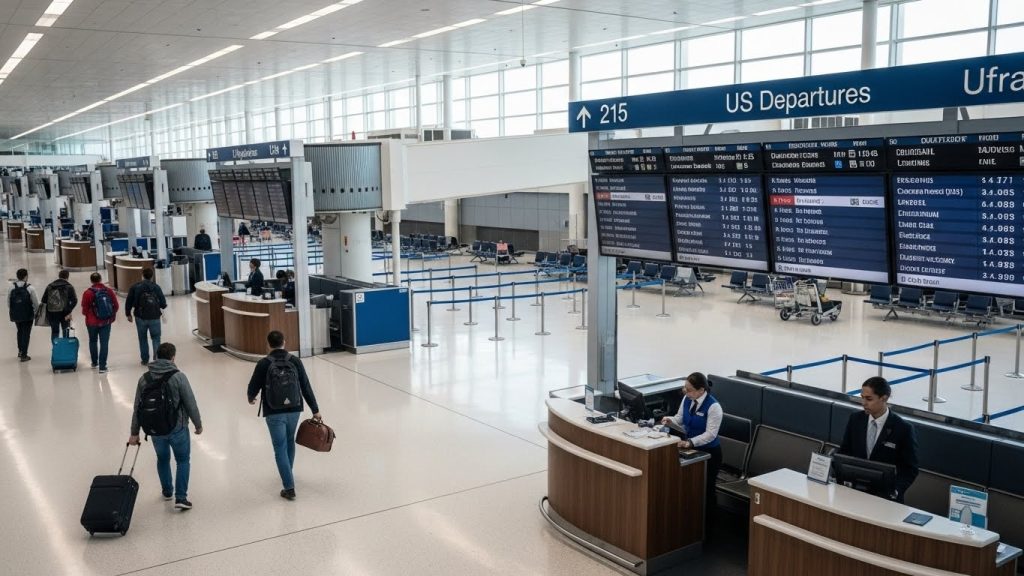
Airlines are another sector affected by the Canada tourism freeze us destinations in the US. Routes between Canadian cities and US destinations have experienced fluctuations in demand, leading to route adjustments and frequency reductions in some cases.
Transport providers, including car rental companies, shuttles and long-distance buses, are also facing the downturn. These companies now face the dual challenge of managing vacant seats and adjusting operating costs without compromising on service quality.
Frequent travelers and business travelers have also noticed changes in fares, limited flight options and adjustments in loyalty programs due to lower demand from Canadian travelers.
Hotel and Hospitality Industry Challenges
The hospitality industry is particularly sensitive to changes in travel trends. Given the impact of Canada tourism freeze us destinations, hotels in popular U.S. destinations are rethinking pricing strategies and marketing efforts.
Some properties offer discounts or target new markets to fill rooms. Others are investing in enhanced experiences to attract domestic travelers and visitors from other international regions.
Luxury hotels and boutique properties, which historically relied on Canadian tourists for regular bookings, are now diversifying their customer base. Spa packages, local adventure tours and flexible cancellation policies are promoted to maintain occupancy levels.
Shift Towards Alternative Travel Destinations
As Canadian travelers reconsider US travel, many are choosing alternative destinations. This change is an important driver behind the Canada Tourism Freezes Us Destination phenomenon.
Canadian domestic travel, European vacations, Caribbean cruises and eco-tourism destinations are becoming more attractive due to perceived value, safety and convenience. These alternatives are reshaping global tourism patterns and challenging the dominance of American destinations.
Travel agencies and tour operators are now focusing on these trends, offering customized packages that attract value-conscious travelers and exploring new partnerships in new destinations.
Economic Impact on Local Communities
Tourism is an important economic driver for many American communities. The trend of Canada Tourism Freeze As Destinations affects not only large cities, but also smaller cities that rely on seasonal tourism.
Local businesses, including tour operators, souvenir shops, family-owned restaurants and recreational facilities, are often most affected. Reduced tourism income can lead to job losses, limited opportunities for expansion and economic uncertainty.
Municipalities are responding by introducing incentives for local tourism, promoting events that attract domestic tourists and supporting small businesses to cope with the temporary decline in Canadian arrivals.
Marketing and Policy Responses

To meet the challenge of Canada Tourism freezing our destinations, tourism boards and policy makers are adjusting their strategies. Marketing campaigns are being redesigned to attract different demographics and new travel markets.
Some destinations focus on cultural experiences, outdoor experiences and value-driven travel packages. Others partner with airlines to offer discounted flights or package deals, targeting new audiences and domestic travelers to offset losses from reduced Canadian travel.
These strategies highlight the adaptability of the US tourism sector and its commitment to maintaining economic stability in affected areas.
Opportunities for Travelers
For travelers, Canada’s tourism freeze situation with American destinations presents both challenges and opportunities. Fewer visitors can lead to less crowded attractions, better hotel deals and more accessibility to popular activities.
Travelers can take advantage of promotions, seasonal discounts and last-minute offers to enjoy premium experiences at lower costs. In addition, slower speeds can improve the quality of service at hotels, restaurants and attractions.
Being aware of changing travel patterns helps travelers plan trips more effectively, avoid overcrowding and get the most out of every trip.
Long-Term Outlook for US Tourism
While Canada Tourism worries about the trend of freezing destinations, this may not be permanent. Travel patterns often change in response to economic improvements, political changes and increased consumer confidence.
The US tourism industry has historically shown resilience and adaptability. By understanding changing travel behaviour, diversifying target markets and investing in innovation, destinations can recover and emerge stronger.
Industry experts believe that as economic conditions stabilize, Canadian visitors are likely to resume, creating renewed demand and increasing tourism-related revenues.
Conclusion
Canada tourism freeze us destinations trend highlights how interconnected global travel really is. The decline in Canadian travel to the US affects airlines, hotels, local businesses and entire communities.
By recognizing the causes and impacts of this disruption, stakeholders can adopt strategies, travelers can make informed decisions, and destinations can work towards sustainable recovery. Flexibility, awareness and proactive planning amid changing travel trends will be key to driving the future of US tourism.