
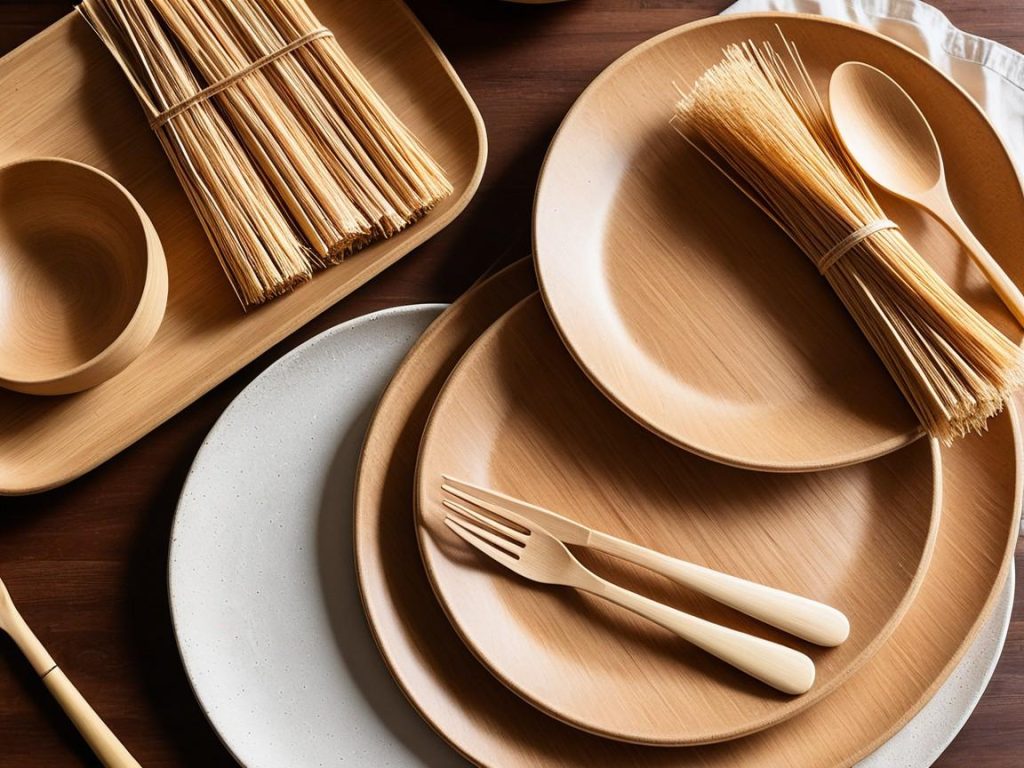
Introduction
In today’s environmentally conscious world, the push for sustainable alternatives to single-use plastics has never been stronger. Among these alternatives, wheat straw plates and bamboo plates stand out as two of the most popular options for eco-friendly tableware. Both materials promise a greener lifestyle, but choosing the right one depends on your priorities, whether that’s durability, aesthetics, cost, or convenience. In this comprehensive guide, we will explore everything you need to know about wheat straw and bamboo plates, including their benefits, drawbacks, environmental impact, and practical usage. By the end of this article, you will have all the information necessary to make an informed decision.
Understanding Wheat Straw Plates
Wheat straw plates are crafted from the stalks of wheat plants that are left over after harvesting the grain. Typically, these stalks are considered agricultural waste and are discarded, but through innovative processing, they can be transformed into lightweight, durable, and biodegradable plates. A food-safe binding agent is mixed with the wheat straw fibers to form plates that are both practical and environmentally responsible.
Advantages of Wheat Straw Plates
- Eco-Friendly Material: Since wheat straw is a byproduct of agriculture, using it reduces waste and creates a renewable source of tableware.
- Lightweight and Flexible: Wheat straw plates are easy to transport and store, making them ideal for events, picnics, and daily use.
- Microwave and Dishwasher Safe: These plates offer convenience in everyday life, as they can handle moderate heat and are generally safe for dishwashers.
- Fully Biodegradable: Industrial composting processes can break down wheat straw plates within 3–6 months, returning nutrients to the soil.
- Budget-Friendly: Compared to other eco-friendly options like bamboo, wheat straw plates are more affordable.
- Safe for Health: They are naturally allergen-free and gluten-free, ensuring safety for a wide range of users.
Common Uses of Wheat Straw Plates
Wheat straw plates are ideal for:
- Takeout containers and catering events
- Picnics and outdoor gatherings
- Household use for casual meals
- Short-term disposable options without harming the environment
These plates are perfect for consumers who prioritize convenience and sustainability without the added cost of premium materials.
Understanding Bamboo Plates
Bamboo plates are made from bamboo fiber, sometimes blended with cornstarch or rice husk. Bamboo, a fast-growing grass, is a sustainable and renewable resource, making it an excellent choice for environmentally conscious consumers. Bamboo plates are thicker, more durable, and visually appealing, suitable for long-term use.
Advantages of Bamboo Plates
- Durable and Long-Lasting: Bamboo plates are sturdy and less prone to bending or cracking, often lasting between 5–10 years with proper care.
- Eco-Friendly: Bamboo is renewable and biodegradable, breaking down fully within 6–12 months under composting conditions.
- Aesthetic Appeal: The natural look of bamboo adds a sophisticated touch to dining tables, making them suitable for upscale events.
- Reusable: With proper care, bamboo plates can be used multiple times, reducing the need for disposable alternatives.
Considerations When Using Bamboo Plates
- Not Microwave Safe: Most bamboo plates cannot withstand high heat in microwaves.
- Hand Washing Recommended: To maintain longevity, they should be washed by hand and occasionally oiled.
- Higher Initial Cost: Bamboo plates cost more upfront than wheat straw plates, but their durability can offset this over time.
Common Uses of Bamboo Plates
Bamboo plates are ideal for:
- Reusable household dinnerware
- Eco-friendly gifting, including wedding or party favors
- Hosting stylish dinner parties with a natural aesthetic
- Long-term alternatives for those committed to a plastic-free lifestyle
Wheat Straw vs Bamboo Plates: Detailed Comparison
| Feature | Wheat Straw Plates | Bamboo Plates |
|---|---|---|
| Durability & Lifespan | Lasts 3–5 years with regular care | Lasts 5–10+ years with proper maintenance |
| Heat Resistance & Usability | Microwave and dishwasher safe; may warp under high heat | Not microwave safe; hand wash recommended |
| Environmental Impact | Breaks down in 3–6 months; made from agri-waste | Biodegrades in 6–12 months; made from renewable bamboo |
| Cost & Accessibility | More affordable; widely available | Higher cost; longer usage lifespan |
| Care & Maintenance | Low-maintenance; dishwasher safe | Requires hand washing, drying, and occasional oiling |
Durability and Lifespan
When it comes to long-term use, bamboo plates have a clear advantage. Their thick and robust composition ensures that they last significantly longer than wheat straw plates. On the other hand, wheat straw plates are better suited for lightweight, casual use where frequent replacement is acceptable.
Heat Resistance and Usability
For households or businesses that rely heavily on microwaves and dishwashers, wheat straw plates are more practical. They can withstand moderate heat and are dishwasher-friendly. Bamboo plates, however, require more care due to their sensitivity to high temperatures, making them more suitable for hand-washed dry meals.
Environmental Impact
Both wheat straw and bamboo plates are environmentally friendly, but their decomposition rates differ. Wheat straw plates decompose faster, making them an excellent choice for reducing short-term waste. Bamboo plates, while taking slightly longer to break down, are made from a rapidly renewable resource, offering long-term sustainability.
Cost Considerations
Wheat straw plates are 30–40% cheaper than bamboo plates, making them accessible for larger-scale events or households on a budget. Bamboo plates, although more expensive upfront, offer longer usability and a premium aesthetic, which can justify the investment over time.
Care and Maintenance
Wheat straw plates require minimal care and are convenient for everyday use. Bamboo plates, in contrast, need careful handling, including hand washing, air-drying, and occasional oiling to prevent drying or cracking. While this adds maintenance effort, it ensures a longer lifespan and preserves their natural beauty.
Which Plate Should You Choose?
The choice between wheat straw and bamboo plates depends largely on your priorities:
- Convenience and Affordability: Choose wheat straw plates. They are practical, microwave-safe, and ideal for everyday use or disposable purposes.
- Longevity and Aesthetics: Choose bamboo plates. Their premium look and durable construction make them suitable for formal dining, reusable household plates, or gifting.
Specific Use Cases
- Busy Families: Wheat straw plates simplify clean-up and withstand daily use.
- Event Planners and Caterers: Wheat straw plates provide a cost-effective solution for large gatherings.
- Eco-Friendly Gifts: Bamboo plates serve as elegant, reusable presents.
- Minimalist Home Dining: Bamboo plates complement a natural and stylish table setting.
Health and Safety
Both wheat straw and bamboo plates are food-safe, free from harmful chemicals, and designed to be safe for everyday meals. They are excellent alternatives to plastic plates, which may leach toxins into food. Wheat straw plates are naturally gluten-free and hypoallergenic, while bamboo plates are free from artificial additives.
Sustainability and Global Impact
Using wheat straw or bamboo plates significantly reduces dependence on plastic, helping to lower pollution levels and landfill waste. Both materials encourage the adoption of a circular economy by converting renewable or waste resources into functional products. By choosing these eco-friendly options, consumers support environmentally responsible manufacturing practices.
Industrial Composting
For businesses and households with access to industrial composting facilities, both wheat straw and bamboo plates can be fully composted. Wheat straw plates break down faster (3–6 months), whereas bamboo plates take 6–12 months. Composting these materials returns nutrients to the soil and minimizes environmental footprint.
Cost-Benefit Analysis
While wheat straw plates are cheaper, their shorter lifespan may require replacements more frequently. Bamboo plates, with higher durability, provide better long-term value despite the initial investment. Consumers should consider usage patterns, number of meals, and environmental goals when making their decision.
Trends in Eco-Friendly Tableware
Eco-conscious consumers increasingly favor products that combine sustainability with aesthetics. Wheat straw plates appeal to practical users who prioritize convenience, whereas bamboo plates cater to those who value style, elegance, and longevity. The rising demand for zero-waste lifestyles and sustainable dining products ensures that both types of plates remain popular choices globally.
Conclusion
Both wheat straw and bamboo plates offer compelling advantages as eco-friendly alternatives to plastic. Wheat straw plates are lightweight, affordable, and convenient, ideal for casual use and large-scale events. Bamboo plates, on the other hand, are stylish, durable, and reusable, suitable for households seeking long-term sustainability and aesthetic appeal.
Ultimately, the choice depends on your lifestyle, priorities, and values. By choosing either wheat straw or bamboo plates, you are contributing to a greener, cleaner planet while enjoying practical and attractive tableware solutions.