
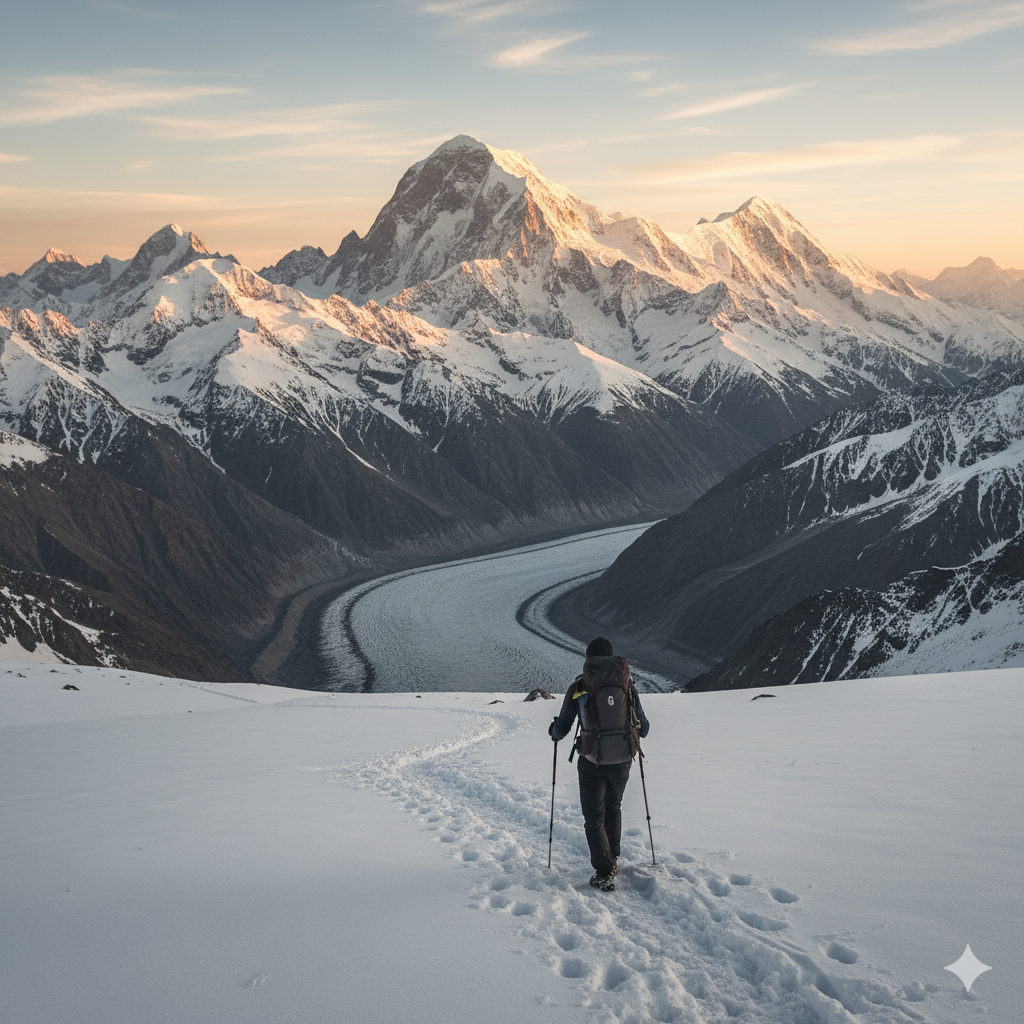
Imagine a place where three of the world’s mightiest mountain ranges—the Himalayas, the Karakoram, and the Hindu Kush—converge in a breathtaking symphony of towering peaks, immense glaciers, and verdant valleys. This is Gilgit-Baltistan, a land of unparalleled natural beauty, ancient cultures, and some of the most exhilarating trekking experiences on the planet. It’s a destination that calls to the very core of every true adventurer, promising not just a journey, but a profound transformation.
If your soul yearns for high-altitude wilderness, the challenge of remote trails, and vistas that will etch themselves into your memory forever, then Gilgit-Baltistan is your next great adventure. But with so many incredible routes, how do you choose? This guide will illuminate the top options for Gilgit-Baltistan Trekking in 2026, helping you plan your epic exploration of this majestic region. Get ready to discover trails that lead to the roof of the world!
The Baltoro Glacier & K2 Base Camp: The Iconic High-Altitude Odyssey
Without a doubt, the trek to K2 Base Camp via the Baltoro Glacier is the crown jewel of Gilgit-Baltistan Trekking. It’s a journey into the heart of the Karakoram, surrounded by more 8,000-meter peaks than anywhere else on Earth. This is a trek for experienced adventurers seeking the ultimate high-alpine challenge and awe-inspiring panoramas.
The Throne Room of Mountain Gods: Concordia
Concordia, the confluence of the Baltoro and Godwin Austen Glaciers, is arguably one of the most spectacular places on the planet. From this vantage point, you are literally encircled by giants: the mighty K2, Broad Peak, Gasherbrum IV (the “Shining Wall”), and many other colossal mountains. The sheer scale and beauty are overwhelming, a highlight of any Gilgit-Baltistan Trekking itinerary.
Expect profound silence, crisp air, and views that will reset your understanding of what a mountain truly is. It’s a place that humbles and inspires in equal measure.
The K2 Base Camp Experience: Up Close with The Savage Mountain
Reaching K2 Base Camp is an emotional culmination for many trekkers. While you won’t scale the mountain, standing at its foot, gazing up at its colossal, foreboding face, is an experience of immense power. It offers a unique insight into the world of high-altitude mountaineering and the sheer force of nature.
This part of the Gilgit-Baltistan Trekking connects you directly with the legends and challenges of the “Savage Mountain.” It’s a place of quiet contemplation and immense respect.
Gondogoro La Pass: The Challenging Circular Traverse
For those who want to push their limits even further and experience the Baltoro region from a different perspective, adding the Gondogoro La Pass creates a spectacular circular route. This is a technical high-altitude pass, demanding proper gear and a head for heights, but it offers unparalleled rewards.
A Bird’s Eye View of the Karakoram Giants
Crossing the Gondogoro La (5,585m / 18,323 ft) provides utterly breathtaking panoramic views. From the summit, you gaze upon an unbroken circle of peaks, including K2, Broad Peak, the Gasherbrums, and the beautiful Laila Peak. The perspective is entirely different from Concordia, offering a more aerial, intimate encounter with the giants.
This demanding section of the Gilgit-Baltistan Trekking is often described as the most challenging, but also the most rewarding, part of the entire journey.
The Hushman Valley Descent: A Contrasting Green Oasis
After the stark, icy world of the Baltoro and the pass, the descent into the lush Hushman Valley is a stark and beautiful contrast. You’ll move from glacier to alpine meadows, encountering shepherds, wildflowers, and vibrant greenery. This provides a refreshing change of scenery and a gentler return to civilisation after the harshness of the high mountains.
It’s a testament to the diverse landscapes you encounter during Gilgit-Baltistan Trekking.
Biafo & Hispar Glaciers to Snow Lake: The Ultimate Wilderness Expedition
For the truly intrepid, the traverse of the Biafo and Hispar Glaciers to Snow Lake (Lukpe Lawo) is one of the world’s longest and most remote high-altitude glacier treks. This isn’t just a trek; it’s a true expedition into a vast, frozen wilderness, requiring self-sufficiency and immense endurance.
Snow Lake (Lukpe Lawo): A Mythical Frozen Plateau
Snow Lake is a legendary, immense basin of pristine snow and ice, nestled at around 4,877m (16,000 ft). It feels like stepping onto another planet—a vast, serene, and almost mythical place. The sheer isolation and untouched beauty are what draw the most hardened adventurers to this unique part of Gilgit-Baltistan Trekking.
Expect days of solitude, surrounded by immense peaks and an endless expanse of white.
Biafo and Hispar Glaciers: Walking on Giants
The journey across these two colossal glaciers, connected by Snow Lake, is an epic undertaking. It involves days of challenging glacier travel, navigating crevasses (with expert guides), and enduring the unpredictable mountain weather. It’s a test of resilience and a profound immersion in glacial landscapes.
This route offers an unparalleled sense of wilderness and adventure, a truly unique experience in Gilgit-Baltistan Trekking.
The Hunza Valley & Rakaposhi Base Camp: Cultural Immersion and Stunning Views
For those seeking a combination of cultural richness and breathtaking mountain views without the extreme altitude challenges of the Karakoram’s inner sanctum, the treks around the Hunza Valley are magnificent.
Rakaposhi Base Camp: Up Close with a Majestic Peak
The short, relatively accessible trek to Rakaposhi Base Camp offers stunning, close-up views of Rakaposhi (7,788m / 25,551 ft), the “Shining Wall.” This trek takes you through beautiful alpine meadows with wildflowers, providing a gentler introduction to the region’s colossal peaks.
It’s perfect for those with less time or who prefer a moderate challenge within their Gilgit-Baltistan Trekking experience.
Exploring the Ancient Hunza and Nagar Valleys
The Hunza Valley is legendary for its vibrant culture, ancient forts (Baltit and Altit), and the remarkable longevity of its people. Combining trekking with cultural exploration in these valleys offers a holistic experience. Witnessing the dramatic contrasts of green terraced fields against towering, barren mountains is truly mesmerizing.
This region provides a different, yet equally captivating, facet of Gilgit-Baltistan Trekking, rich in history and breathtaking scenery.
Planning Your 2026 Gilgit-Baltistan Trekking Adventure: Key Considerations
Embarking on any of these incredible routes requires careful planning and preparation. The mountains are magnificent but demand respect.
Best Time to Go: Summer for High Passes
For high-altitude treks like K2 Base Camp or Snow Lake, the prime window is typically mid-June to mid-September. For lower valley treks, spring (April-May) and autumn (late September-October) offer beautiful weather and fewer crowds.
Always check specific route conditions for your chosen dates.
Physical Preparation and Acclimatisation
These treks require excellent physical fitness. Start training well in advance with cardio and strength work. Proper acclimatisation is absolutely non-negotiable for high-altitude routes; your itinerary must include dedicated rest days.
Listen to your body and your experienced guides.
Essential Gear and a Reputable Agency
High-quality, appropriate gear (layering system, sturdy boots, waterproofs, technical gear for passes) is vital. Most importantly, choose an experienced and reputable trekking agency that prioritizes safety, provides expert local guides, and ensures ethical treatment of porters. They are your lifeline in this remote terrain.
Your Gilgit-Baltistan Odyssey Awaits
Gilgit-Baltistan Trekking is more than just an outdoor activity; it’s an immersive journey into a landscape of unimaginable grandeur and a culture of enduring resilience. Whether you choose the iconic giants of the Karakoram, the remote wilderness of Snow Lake, or the cultural heart of the Hunza Valley, your 2026 adventure promises to be a profound and unforgettable experience. Prepare well, open your heart to the majesty, and let the mountains transform you.